The Sweet Appeal of Candy Alphabet: A Designer's Guide
There’s a certain kind of project that demands more than just a standard typeface. It needs personality, a burst of energy, and an immediate emotional connection. This is where a display font like Candy Alphabet enters the conversation. It’s not a workhorse for body text; it’s a specialist, a creative asset designed to inject pure, unadulterated joy into a visual message. The moment you see its rounded, vibrant letters, you understand its purpose. It feels like a celebration, capturing the lighthearted, sugary essence of its namesake.
More Than Just a Pretty Face: Understanding the Candy Alphabet Typeface
At its core, Candy Alphabet is a whimsical and playful typeface. Its visual DNA is built on soft, rounded letterforms that feel friendly and approachable. Think of the gentle curves of a gummy bear or the smooth surface of a lollipop; that’s the energy it channels. The font’s character is undeniably cheerful, making it a powerful tool for projects that aim to evoke happiness, nostalgia, or a sense of fun. As a premium font, it often comes with variations, but its primary identity is bold, colorful, and impossible to ignore.
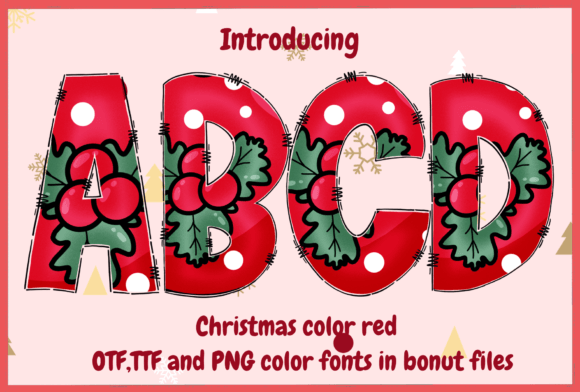
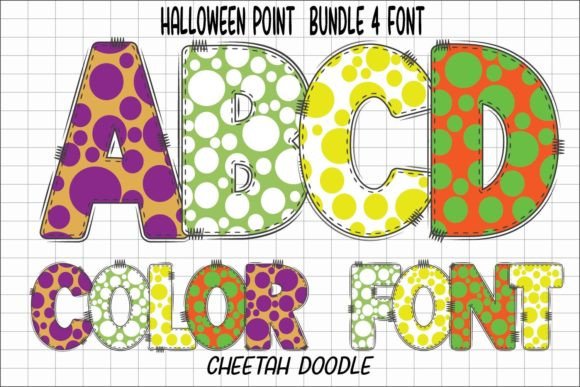
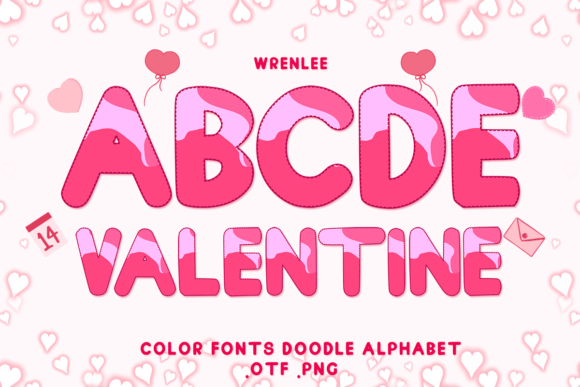
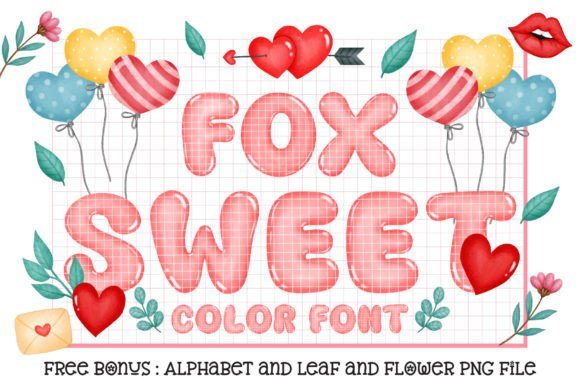
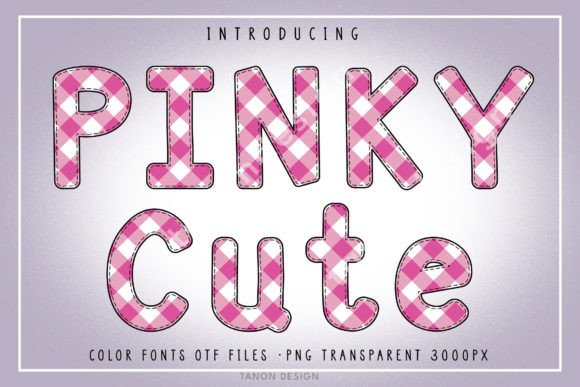
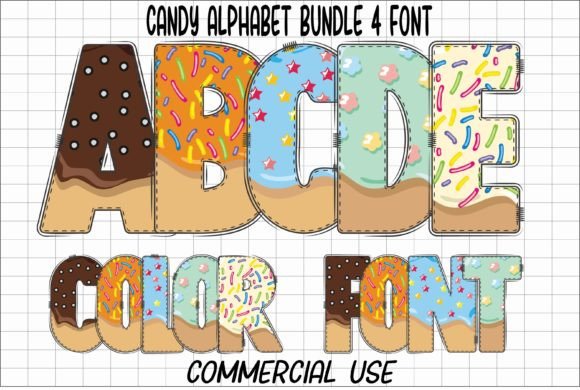
What truly sets it apart is its color capability. While a black version offers versatility for standard printing and cutting machines, the full-color iteration is where the magic happens. Imagine letters that look like they’re made of sprinkles, striped candy, or glossy icing. This transforms typography from a static element into a dynamic piece of illustration. It’s a creative font that functions as a complete design element, saving you time on adding textures and effects manually. This makes it a valuable part of any designer’s library of design assets.
Where Does This Font Shine? Real-World Applications
The true test of any typeface is its practical application. Candy Alphabet excels in contexts where the goal is to attract attention and communicate a specific, joyful tone. Its strengths lie in short, impactful bursts of text rather than long paragraphs.
- Children's Products & Packaging Design: This is a natural home for the font. Book titles, toy packaging, snack branding, and candy wrappers can all leverage its playful nature to connect with a younger audience—and the parents buying for them. It instantly signals that a product is fun and approachable.
- Events and Celebrations: From birthday party invitations and banners to baby shower decorations and bake sale flyers, the font sets a festive mood. It’s perfect for social media graphics promoting an event, creating an immediate sense of excitement.
- Branding for Specific Niches: A children’s bakery, a party supply store, a colorful ice cream shop, or a toy brand could build a memorable brand identity around a font like this. It becomes a cornerstone of their logo design and marketing materials, establishing a fun and recognizable personality.
- Digital and Web Design: Used strategically, it can make website headers, blog post titles, or sale announcements pop. It’s a fantastic choice for call-to-action buttons or promotional banners where you need to grab a user’s attention quickly. However, overuse can harm readability and feel overwhelming.
- Crafting and DIY Projects: For hobbyists using cutting machines like a Cricut or Silhouette, the black version of Candy Alphabet is a game-changer. It’s ideal for creating custom decals, party decorations, personalized gifts, and apparel with a whimsical touch.
Making It Work: Practical Guidance for Designers and Creators
Using a decorative display font effectively requires a bit of strategy. It’s not about replacing your trusted sans serif font or serif font, but about complementing them. Here’s how to integrate Candy Alphabet into your workflow with professional results.
Evaluating Project Fit and Audience
Before you even download, ask yourself: does this font’s personality match the project’s goals? It’s a poor choice for a law firm’s annual report but a brilliant one for a kid’s lemonade stand menu. Consider your target audience. While its appeal is broad, it resonates most strongly with projects targeting children, families, or anyone looking for a dose of lighthearted fun. Its role is to enhance audience engagement through emotion, not to convey serious, formal information.
The Art of Font Pairing
A font this bold needs a grounding partner. Pairing Candy Alphabet with a simple, clean modern typography choice is key. A neutral sans serif font like Montserrat, Lato, or Open Sans for body text provides a clean, readable foundation that doesn’t compete for attention. Avoid pairing it with other highly decorative fonts, such as an ornate script font or a quirky handwritten font, as this will create visual chaos and undermine professionalism. The goal is to create a clear visual hierarchy where the candy font is the star.
Readability and Technical Considerations
Readability is paramount. Use Candy Alphabet for headlines, subheadings, logos, and short, punchy phrases—never for long-form body copy. Its decorative nature, especially in the color version, makes extended reading difficult. Always test your designs at various sizes to ensure clarity.
Finally, be mindful of the technical files. The font often comes in different formats for different uses. The black OTF/TTF version is widely compatible, including with cutting machines. The color version, however, typically requires specific design software like Adobe Photoshop or Illustrator, as it relies on advanced OpenType features to render its vibrant look. Always check the licensing to ensure it covers your intended use, whether for personal projects or commercial work. This attention to detail ensures your brand identity and editorial design remain consistent and legally sound.