Halloween Point: A Designer's Guide to Enchanting Typography
The air grows crisp, leaves scatter in swirls of orange and gold, and a certain playful spookiness settles over neighborhoods. This is the magic of Halloween—a night where imagination takes flight, haunted tales whisper from every shadow, and communities come together in a shared, joyful fear. For designers, marketers, and creators, capturing this unique blend of enchantment, humor, and tradition in visual work is a seasonal challenge. The right typography is often the key, and that's where a premium font like Halloween Point enters the scene.
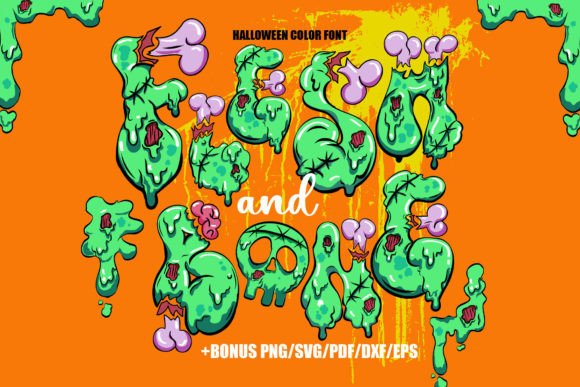
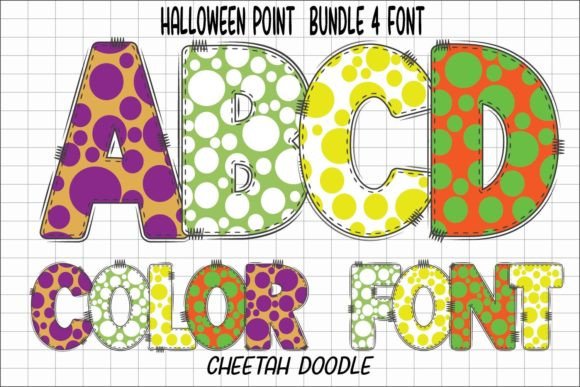
Halloween Point is not a single typeface but a curated set of four distinct colored font styles. Think of it as a complete typographic toolkit for the spooky season. It moves beyond the typical, often clichéd, Halloween fonts that lean heavily into dripping blood or jagged edges. Instead, it offers a more sophisticated, versatile, and genuinely enchanting aesthetic. The collection typically includes a bold, confident serif font for headlines that commands attention, a clean sans serif font for readable body text or supporting information, a whimsical script font that feels handwritten and personal, and a decorative display font filled with thematic icons or ornaments. This combination allows for dynamic visual storytelling within a single, cohesive system.
The Personality and Appeal of the Halloween Point Collection
What makes this creative font set stand out is its personality. It balances the eerie with the elegant, the spooky with the stylish. The serif component might have sharp, pointed terminals reminiscent of wrought-iron fences, while the script flows with a casual, slightly mischievous energy—like a friendly ghost's signature. The display font's icons could include everything from classic pumpkins and bats to more nuanced symbols like crescent moons and twinkling stars, adding layers of detail to any design.
This versatility makes Halloween Point exceptionally useful across a wide array of projects. For brand identity work, consider a boutique hotel planning a haunted getaway weekend. Using the serif style for the event name on the logo design and signage establishes a classic, mysterious tone. The script can then grace invitations and social media posts, adding a personal, handwritten touch that feels exclusive. The sans serif keeps event schedules and details clean and legible, ensuring guests have all the information they need without visual clutter.
In editorial design, such as a seasonal magazine feature or a blog post about haunted history, Halloween Point provides a clear visual hierarchy. A striking headline in the display or serif style grabs the reader, while pull quotes in the script font add visual interest and break up long columns of text set in the practical sans serif. This structure enhances readability and guides the reader's eye through the content in an engaging way.
Practical Applications and Strategic Implementation
For packaging design, especially for artisanal candies, craft beers, or bakery items with a Halloween theme, this font set is a game-changer. The different styles allow for a clear differentiation between the product name, flavor description, and brand logo all on one label. Using the bold display font for "Witch's Brew Coffee" immediately tells a story, while the clean sans serif below it lists the ingredients in a compliant, readable manner. This approach elevates a product from looking "seasonal" to looking "professionally seasonal," which can significantly influence brand perception and shelf appeal.
Digital applications are where Halloween Point truly shines in terms of engagement. Social media graphics need to stop the scroll. A post promoting a Halloween sale using the script font for the discount percentage ("50% off!") feels more personal and exciting than a standard bold numeral. For web design, using the serif or sans serif styles for navigation menus or headers during the holiday season can subtly transform a site's atmosphere without requiring a complete redesign. The consistency of using the same font family across platforms—website, Instagram, email newsletters, and printed flyers—builds a powerful, recognizable brand identity for the season.
A Guide to Choosing and Using This Creative Font
Before integrating Halloween Point into your project, a thoughtful evaluation is key. Start by examining the four included styles. Does the personality of the set align with your project's tone? A design aimed at a family-friendly pumpkin patch will use the styles differently than one for a sophisticated masquerade ball. Test the font pairing possibilities within the set itself. Often, the most effective designs use just two or three of the styles to maintain clarity and avoid a chaotic look.
Always conduct readability tests. While the display and script fonts are fantastic for short bursts of text—headlines, logos, calls-to-action—they are rarely suitable for long paragraphs. Set a sample paragraph in the sans serif and view it at the intended size, both on screen and in print if applicable. Check the spacing between letters and lines. A premium font should have excellent built-in metrics, but your specific layout may require minor adjustments.
Finally, clarify the licensing. As a commercial font, Halloween Point will come with a license that dictates how you can use it. Ensure it covers your intended use, whether for a client project, merchandise for sale, or digital products. Understanding these terms upfront protects you and ensures you can use the design assets fully and legally. By approaching this typeface with a strategic mindset, you move beyond simply decorating for Halloween. You begin to craft a cohesive, engaging visual experience that resonates with your audience, harnesses the season's unique energy, and delivers real-world value to your creative or business endeavors. It’s about using modern typography not as mere decoration, but as a tool for connection and storytelling.