Green Plaid: A Creative Font for Playful Branding
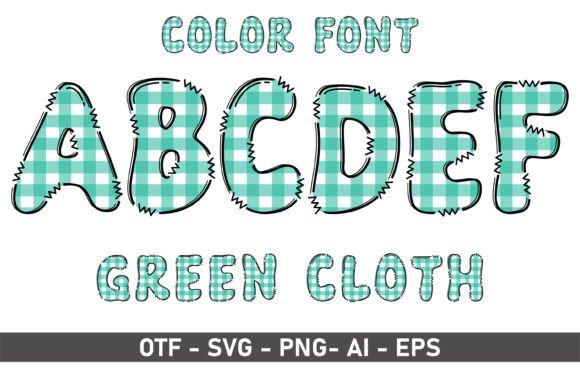
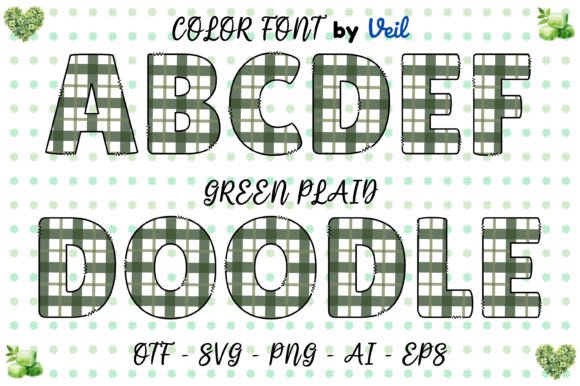
When you hear the name Green Plaid, you might immediately picture a cozy flannel shirt or a classic picnic blanket. This premium font captures that exact same energy—warm, approachable, and undeniably tactile. It isn't just a collection of letters; it is a visual texture that brings a specific mood to your project. For designers, entrepreneurs, and content creators looking for a typeface that feels handcrafted and genuine, Green Plaid offers a distinct personality that standard corporate fonts simply cannot match.
At its core, Green Plaid is a display font designed to grab attention without shouting. Its visual characteristics are defined by a friendly, rounded structure that mimics the irregularities of human handwriting while maintaining the consistency required for professional use. It sits comfortably in the realm of whimsical fonts, often characterized by soft terminals and a slightly bouncy baseline. This style is perfect for designs that aim to convey a playful or artistic feel. You will often see this aesthetic in children’s books, posters, invitations, and greeting cards, where the goal is to create an engaging and welcoming experience for the audience.
Why Green Plaid Works for Modern Brands
In a digital landscape dominated by rigid sans serif fonts and sterile interfaces, Green Plaid acts as a breath of fresh air. It is particularly effective for projects that require a human touch. Think about the last time you received a generic marketing email versus a handwritten note; the latter always feels more valuable. Green Plaid bridges that gap by offering the polish of a commercial font with the warmth of a personal message.
This creative font influences brand perception significantly. If you are building a brand identity for a boutique bakery, a children's clothing line, or a creative workshop, this typeface signals that your business values personality and approachability. It tells your audience that there are real people behind the logo. However, it is crucial to understand its limitations. As a display font, it is not intended for long blocks of body text. Using it for a 500-word blog post would lead to eye strain. Instead, its strength lies in headlines, subheadings, logos, and pull quotes where its unique character can shine without compromising readability.
Practical Applications Across Media
One of the greatest strengths of Green Plaid is its versatility across different mediums. Whether you are working on digital assets or physical products, this font adapts well to various contexts.
- Editorial and Publishing Design: In editorial design, Green Plaid works beautifully for chapter titles in lifestyle magazines or book covers. It pairs exceptionally well with a clean serif font for the body copy. The contrast between the playful header and the serious body text creates a dynamic visual hierarchy that guides the reader's eye.
- Packaging Design: For packaging design, especially in the food, cosmetics, or craft sectors, this font adds an artisanal quality. It suggests that the product inside is made with care. Imagine a jar of homemade jam or a scented candle; Green Plaid on the label instantly communicates that "homemade" vibe.
- Digital and Web Design: While you wouldn't use it for your main navigation menu, Green Plaid is excellent for hero section call-to-actions or promotional banners on a website. It breaks the monotony of standard web design typography and can increase click-through rates by drawing attention to specific offers.
- Social Media Graphics: On platforms like Instagram or Pinterest, visual noise is high. A whimsical font like Green Plaid helps your posts stand out in a crowded feed. It is particularly effective for quotes, announcements, and sale graphics where you need to convey information quickly with a punch of personality.
Mastering Font Pairings and Hierarchy
Choosing a creative font is only half the battle; knowing how to pair it is what separates amateur designs from professional ones. Because Green Plaid has such a strong personality, it requires a grounding partner. The rule of contrast applies here: if the header is loud and decorative, the body should be quiet and legible.
A classic strategy is to pair Green Plaid with a geometric sans serif font. The clean lines of the sans serif will provide a neutral canvas that allows the quirks of Green Plaid to pop without overwhelming the viewer. Alternatively, pairing it with a traditional, high-contrast serif font can create a sophisticated yet playful tension, perfect for fashion or lifestyle branding.
When evaluating font pairing, pay attention to the x-height. You want a companion font that shares a similar x-height to Green Plaid so that the text feels harmonious even if the styles differ. Avoid pairing it with other script fonts or handwritten fonts, as this will create visual chaos and confuse the reader's eye.
Technical Considerations for Professional Use
Before integrating Green Plaid into your workflow, there are a few practical checks you need to perform. First, review the included styles. Does the font family come with bold or italic variations? For web design and UI, having multiple weights allows you to create emphasis without changing the typeface, which helps maintain brand consistency.
Second, consider the technical aspects of readability. Test the font at the size you intend to use it. Display fonts often have intricate details that can get lost or look clunky at very small sizes. Ensure that the kerning (the spacing between specific pairs of letters) is tight enough for large headlines but loose enough to be legible.
Finally, check the licensing. If you are a small business owner or a freelance designer, you need to ensure the commercial font license covers your specific use case. Most premium fonts distinguish between desktop licenses (for print and logos) and web licenses (for CSS embedding). If you plan to use Green Plaid in social media graphics for a client, verify that the license allows for this type of commercial distribution. Skipping this step can lead to legal headaches down the road.
Adding Texture to Your Visual Identity
Ultimately, typography is about voice. While a standard sans serif speaks in a monotone, Green Plaid speaks with inflection, emotion, and character. It is a tool for designers who want to inject life into their design assets. Whether you are creating a logo for a new startup, designing a wedding invitation, or laying out a children's activity book, this font provides the creative flair needed to make a lasting impression.
By treating Green Plaid as a strategic asset rather than just a decoration, you can leverage its unique style to build stronger connections with your audience. It reminds us that design doesn't always have to be serious; sometimes, the most effective way to communicate is with a smile.