Sweet Gothic: A Playful Font for Creative Projects
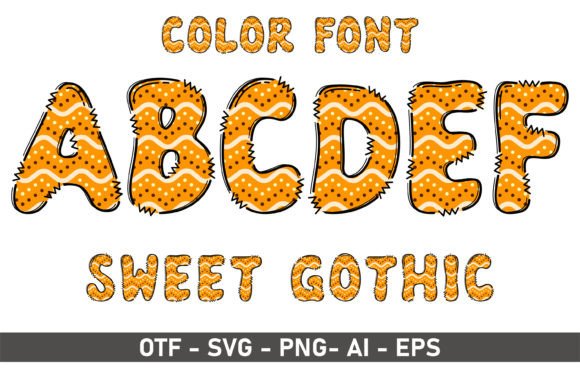
Finding the right typeface for a project can feel like searching for a specific note in a symphony. You need something that hits the right emotional tone, conveys the intended message, and works reliably within your design constraints. Sweet Gothic is a premium font that frequently appears in conversations among designers and crafters for its unique blend of approachability and style. It’s a creative font that leans into a whimsical, slightly handcrafted aesthetic, making it a versatile tool in a designer's toolkit.
Visually, Sweet Gothic occupies a fascinating space. It’s not a stark, industrial sans serif font, nor is it a traditional, formal serif font. Instead, it draws inspiration from playful lettering, often featuring soft curves, slightly uneven baselines, and a friendly, open character. Think of it as a display font with personality—it’s designed to catch the eye and set a mood rather than be used for long blocks of body text. Its appeal lies in its ability to feel both modern and nostalgic, often evoking the charm of vintage packaging or the warmth of a handwritten font without sacrificing legibility.
Where Sweet Gothic Truly Shines
The strength of a font like Sweet Gothic is its adaptability across a wide range of mediums. Its personality makes it a natural fit for projects targeting audiences who appreciate artistry, craftsmanship, and a touch of whimsy. In editorial design, it can elevate a magazine headline or chapter title, especially for publications focused on lifestyle, crafts, or food. For packaging design, it helps products stand out on shelves, conveying handmade quality or playful innovation—think artisanal jams, boutique cosmetics, or specialty teas.
Entrepreneurs and small business owners will find it particularly useful for building a brand identity. A bakery, a florist, a children's boutique, or a craft workshop could use Sweet Gothic as part of their logo design to instantly communicate a welcoming and creative vibe. It works beautifully on social media graphics, helping posts feel more authentic and engaging, and it’s a staple for designers creating invitations, greeting cards, and posters. The font’s charm translates well to both digital and print applications, making it a consistent asset across all customer touchpoints.
Practical Guidance for Using This Typeface
Choosing a font is just the first step. Using it effectively is where the real value is unlocked. When evaluating Sweet Gothic for a project, consider the following practical aspects:
- Project Fit and Readability: While excellent for headlines and short bursts of text, always test readability at the intended size. Its playful nature means it’s best used where clarity of tone is more important than the sheer efficiency of reading long paragraphs.
- Font Pairing: Sweet Gothic pairs well with more neutral, clean sans serif font or even a simple serif font for body text. This creates a balanced visual hierarchy where the display font makes a statement without overwhelming the reader.
- Styles and Weights: Check what variations are included. Does it come with regular, bold, or italic styles? Having multiple weights allows for more nuanced typography and helps maintain consistency across different elements of a design.
- Licensing and Compatibility: This is critical. The black version of Sweet Gothic is typically compatible with a wide range of software, including popular cutting machines like Cricut. However, the color version often has more specific requirements. It may only work in advanced design programs like Adobe Photoshop, Illustrator, or Silhouette Studio. Always verify compatibility before purchasing, especially if you plan to use it for commercial projects or on specific platforms. For detailed instructions, consulting a resource like the Ultimate Font Guide is a prudent step.
Ultimately, Sweet Gothic is more than just a design asset; it’s a tool for storytelling. Its effectiveness lies in its ability to add warmth, personality, and a human touch to a project. By understanding its strengths, its ideal use cases, and its technical requirements, you can leverage this typeface to create work that resonates deeply with your audience, whether you’re designing a web design banner, a printed invitation, or the core visual identity of a new brand. The key is to use it intentionally, letting its unique character enhance your message rather than distract from it.