Green Cloth: A Creative Font for Playful, Artistic Design Projects
Finding the right typeface for a project that needs to feel warm, handmade, or genuinely playful can be a real challenge. Many fonts look generic or fail to capture that specific, organic quality you're after. If you're working on something for a younger audience, a creative brand, or a personal craft, you need a font that feels authentic and engaging. Enter Green Cloth, a typeface designed to deliver exactly that whimsical, artistic character with professional reliability.
The Visual Personality and Appeal of Green Cloth
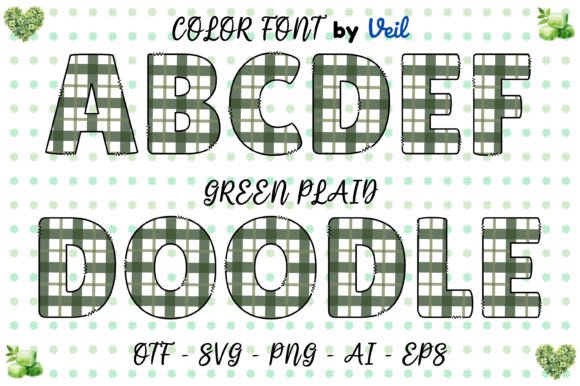
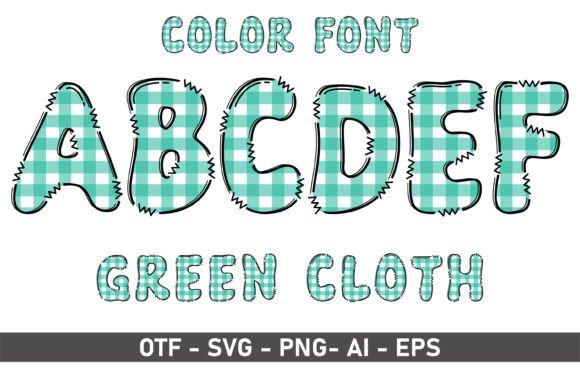
At its core, Green Cloth is a display font with a distinct handwritten style. It’s not a formal script font nor a rigid sans serif font. Instead, it occupies a charming space between, mimicking the look of letters drawn with a soft marker or paintbrush. The strokes have a gentle, uneven quality that feels human and approachable, avoiding the overly perfect or digital feel of many modern typefaces. This gives it a tactile, almost fabric-like texture—fitting for its name.
The overall personality is friendly, creative, and slightly whimsical. It’s the kind of creative font that immediately sets a tone of imagination and approachability. The letterforms are often rounded and open, which contributes to a positive, cheerful vibe. While it’s clearly a handwritten font, it maintains good legibility, especially at larger sizes used in headlines or short phrases. This balance is key; it feels artistic without sacrificing function.
Where Green Cloth Truly Shines: Practical Applications
Understanding where a font works best is crucial for making smart design choices. Green Cloth’s strengths lie in projects where personality and emotional connection are more important than formal, corporate seriousness. Think of applications where you want to engage the viewer’s heart, not just their eyes.
- Children’s Books and Educational Materials: This is a natural home for Green Cloth. Its playful, easy-to-read letterforms are perfect for titles, chapter headings, and interactive elements in books aimed at young readers. It creates an inviting, fun atmosphere that encourages engagement.
- Branding for Creative Businesses: For a bakery, a boutique craft shop, a children’s clothing line, or a freelance illustrator, this premium font can become a cornerstone of a memorable brand identity. It tells customers that the brand is creative, hands-on, and values a personal touch.
- Marketing and Social Media: Use it for eye-catching social media graphics, promotional posters, and sale announcements. It breaks through the visual noise with its distinctive character, making posts and ads more likely to stop a scroll. It’s particularly effective for Instagram stories, Pinterest pins, and Facebook ads.
- Event Stationery and Invitations: Birthday parties, baby showers, creative workshops, and casual gatherings benefit from its friendly style. It adds a personalized, celebratory feel to invitations and greeting cards that more traditional fonts might miss.
- Packaging and Product Design: On labels for artisanal foods, handmade soaps, or craft kits, Green Cloth communicates care and craftsmanship. It helps products stand out on a shelf by conveying a story of quality and creativity.
- Personal Projects and Crafting: For hobbyists using cutting machines like Cricut or Silhouette, the black version of Green Cloth is a compatible tool for creating custom decals, t-shirts, mugs, and home décor. It brings a custom, artistic flair to DIY projects.
How This Font Influences Your Project’s Success
A font does more than just present words; it shapes perception. Choosing Green Cloth is a strategic decision that impacts several key aspects of your project’s effectiveness.
First, it directly influences readability and visual hierarchy. Used as a headline or accent font, it draws the eye and establishes the mood. Pairing it with a clean, neutral serif font or sans serif font for body text creates a clear, professional hierarchy. The playful display font captures attention, while the simpler font ensures longer passages are comfortable to read.
Second, it powerfully affects brand perception. A consistent use of Green Cloth across your logo, website, and materials builds a cohesive identity that is perceived as creative, approachable, and authentic. This consistency builds recognition and trust. In a crowded market, this distinctiveness is invaluable for standing out.
Third, it boosts audience engagement. Fonts have emotional cues. The organic, handmade quality of Green Cloth can evoke feelings of warmth, nostalgia, and creativity. This emotional resonance makes your content more relatable and memorable, whether it’s a blog header, a product label, or a social media post. It helps form a connection with your audience on a human level.
A Practical Guide to Using Green Cloth Effectively
Getting the most out of any commercial font requires thoughtful implementation. Here’s how to approach using Green Cloth in your work.
Evaluate the Project Fit: Before downloading, ask yourself: Does my project need a playful, artistic voice? Is the primary goal to engage, entertain, or convey creativity? If you’re designing a corporate report or a legal document, this isn’t the right choice. But for a bakery’s menu, a child’s party invitation, or a creative workshop poster, it’s a strong contender.
Test Font Pairings: Never use a display font alone for all text. The most professional approach is to pair it. Try combining Green Cloth with a sturdy, geometric sans serif font like Montserrat or a classic, readable serif font like Lora. The contrast will make the display font pop while maintaining overall readability. Always test your pairing in context—see how a headline and a paragraph look together on screen.
Review Included Styles and Licensing: Check what’s included in the font package. Does it come with alternate characters, ligatures, or multilingual support? These extras can add valuable flexibility. Crucially, understand the licensing. Is it licensed for commercial use in your intended projects (e.g., on products for sale, client work)? The information provided states the black version is compatible with Cricut, while the color version has specific software requirements. Confirm these details for your workflow.
Consider Readability in Context: While Green Cloth is legible, its handwritten nature means it’s best used for short bursts of text: titles, headers, slogans, call-to-action buttons, or labels. Avoid setting long paragraphs with it, as the unique letterforms can cause eye fatigue over extended reading. Always test it at the intended size on both screen and print.
Use It to Enhance, Not Overpower: Let the font do its job as a standout element. Give it breathing room with ample white space. If you’re using it in logo design, ensure it remains clear when scaled down. In editorial design or packaging design, use it strategically for maximum impact without overwhelming the layout.
By understanding Green Cloth’s personality and applying it with intention, you can leverage this typeface to add genuine character and engagement to a wide array of projects. It’s a versatile tool in the designer’s toolkit, one that brings a touch of handcrafted artistry to the digital and physical world.