Hot Dog Font: Playful Typography for Creative Projects
When a project calls for personality, a standard corporate typeface won't cut it. You need something that speaks directly to the audience, evokes a specific emotion, and stands out in a crowded visual landscape. That is where Hot Dog enters the picture. This isn't just a collection of letters; it is a design asset that injects a distinct, playful energy into your work. If you are a designer, entrepreneur, or content creator looking to move beyond the mundane, understanding how to leverage a creative font like this can transform your branding and visual communication.
The Visual Character of Hot Dog
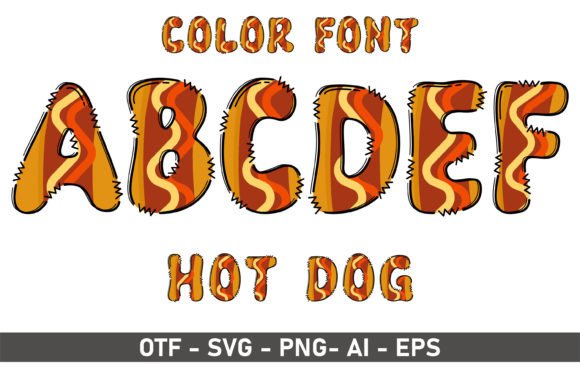
Hot Dog is a prime example of a premium font designed for impact. Its visual characteristics lean heavily into a whimsical, often hand-drawn aesthetic. Depending on the specific style, you might find rounded edges, uneven baselines, or bold, chunky letterforms that feel approachable and fun. It avoids the rigidity of a geometric sans serif font or the formality of a traditional serif font. Instead, it embraces a modern typography trend that values authenticity and warmth.
The personality of Hot Dog is undeniably energetic. It feels youthful but not childish, making it versatile enough for adult audiences who appreciate a touch of nostalgia or humor. The overall appeal lies in its ability to break the ice. A headline set in Hot Dog feels less like a corporate announcement and more like a friendly invitation. For those working in logo design, this typeface offers an immediate shortcut to a brand identity that feels creative, approachable, and memorable. It is the kind of display font that commands attention without shouting.
Where Hot Dog Shines: Applications and Use Cases
The true value of any design asset is how it performs in the real world. Hot Dog excels in environments where engagement is the primary goal. Its playful nature makes it a natural fit for specific industries and projects.
In publishing and editorial design, this font is a standout choice for children’s books. Young readers respond to visuals that are colorful and easy to decipher. Hot Dog provides that whimsical touch that makes the reading experience immersive. It works beautifully for chapter titles or book covers where you need to capture imagination instantly.
For entrepreneurs and small business owners, Hot Dog is a secret weapon in packaging design. If you are selling artisanal snacks, craft supplies, or lifestyle products, this font on your labels signals that your brand has personality. It suggests that the product inside is made with care and creativity. Similarly, in the realm of greeting cards and invitations, Hot Dog sets the tone for celebrations, parties, and personal notes that feel heartfelt rather than mass-produced.
Digital spaces also benefit from this typeface. When creating social media graphics, a scroll-stopping headline is essential. The unique silhouette of Hot Dog helps your posts stand out in a feed full of generic text. It is also useful for bloggers and content creators who want to establish a distinct voice. Using Hot Dog for headers or pull quotes adds a layer of visual hierarchy that guides the reader’s eye and emphasizes key points.
Strategic Typography: Influence on Brand and Readability
Choosing a font is never just about aesthetics; it is a strategic decision that influences how your message is received. Hot Dog impacts brand perception by signaling that a company or creator doesn't take themselves too seriously. It builds a bridge to the audience through shared appreciation for fun and creativity. This can lead to higher engagement, as people are naturally drawn to visuals that feel human and relatable.
However, readability must remain a priority. As a display font, Hot Dog is engineered for headlines, logos, and short bursts of text. It is not designed for long-form body copy. Using it for a full paragraph would likely strain the reader's eyes and dilute its impact. The key to visual hierarchy is contrast. Pair Hot Dog with a clean, neutral sans serif font for your body text. This allows the display font to do the heavy lifting for branding and headlines, while the secondary font ensures the details remain legible and professional.
Practical Guidance for Implementation
Integrating a new typeface into your workflow requires a bit of planning. Here is how to get the most out of Hot Dog.
- Evaluate the Project Fit: Before downloading, ask yourself if the project tone matches the font's personality. If you are designing a legal contract or a medical brochure, Hot Dog is likely the wrong choice. If you are designing a birthday invitation or a t-shirt graphic, it is perfect.
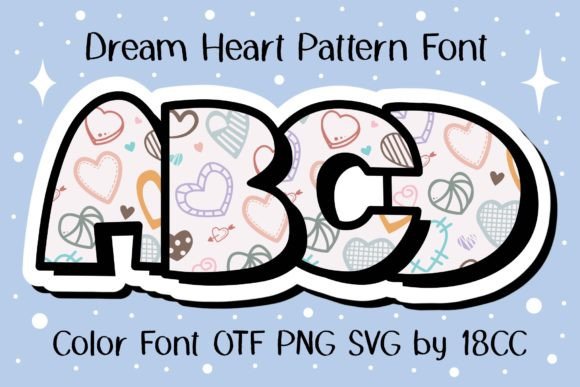
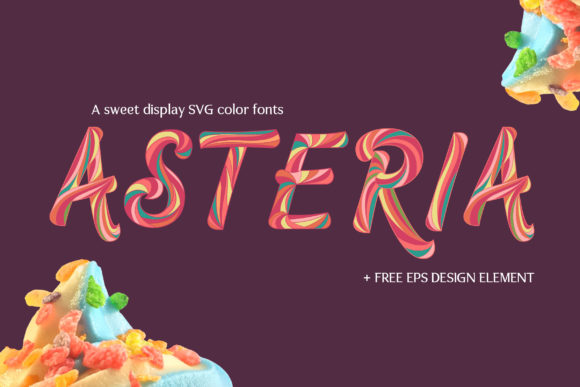
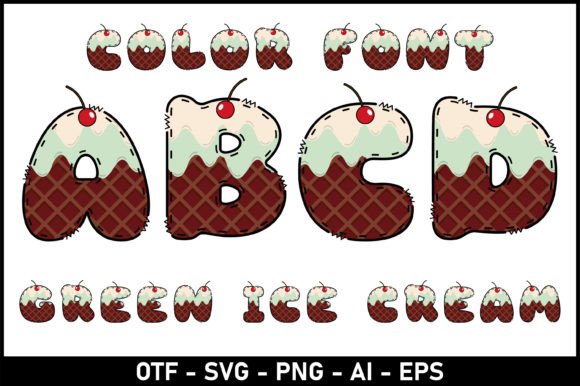
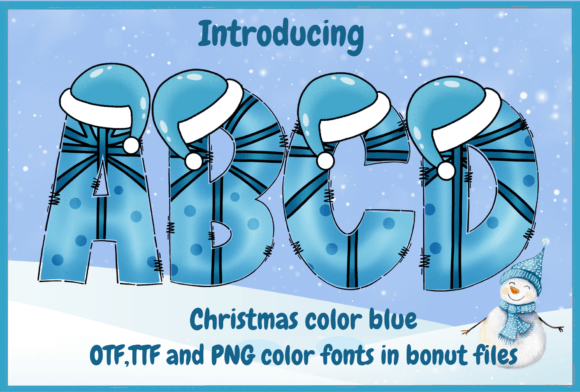
- Check Technical Compatibility: This is a crucial step for crafters and designers alike. The black version of Hot Dog is compatible with Cricut Design Space and other cutting machines, making it ideal for vinyl decals and heat transfers. However, the color version (if available) has different requirements. It is generally only compatible with advanced design software like Adobe Photoshop, Illustrator, Silhouette, and Inkscape. The OTF or TTF files for color fonts often do not work in basic cutting machine software. Always verify compatibility before starting your project.
- Test Your Pairings: Don't use Hot Dog in isolation. Create a font pairing test. Place the headline in Hot Dog and try different weights of a sans serif font (like Montserrat or Lato) underneath. Look for a balance where the headline pops but the overall layout feels cohesive.
- Review Licensing: If you are using Hot Dog for commercial purposes—such as selling t-shirts, creating client logos, or selling printed invitations—ensure you have the correct commercial license. Most premium fonts come with specific terms regarding how many physical end products you can sell.
The Versatility of Creative Assets
In the current design landscape, versatility is key. We are seeing a resurgence of handwritten fonts and script fonts that mimic human imperfection. Hot Dog fits perfectly into this trend. It serves as a bridge between the digital and the tangible, especially when used in print-on-demand products.
Imagine a set of social media templates for a bakery. The "Daily Specials" header uses Hot Dog, conveying warmth and freshness. Below it, a clean sans serif lists the items and prices. This combination is not only visually appealing but also functional. It respects the user's time by making information easy to scan while maintaining a strong brand identity.
Ultimately, Hot Dog is more than just a font file; it is a tool for expression. Whether you are a hobbyist making stickers for friends or a marketer crafting a campaign for a new product, this typeface offers a reliable way to inject joy and personality into your designs. By respecting its strengths—using it for display purposes and pairing it wisely—you can ensure your projects are not only seen but remembered.