Japan: A Playful Typeface for Creative Branding and Design
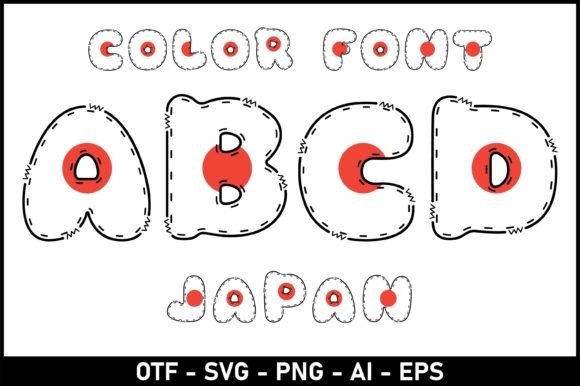
When you encounter the Japan typeface, the first thing you notice is its energy. It’s not a font that whispers; it speaks with a confident, artistic voice. Think of the dynamic flow of a calligrapher's brushstroke, but filtered through a modern, graphic sensibility. Japan often features a blend of sharp angles and soft curves, creating a sense of movement and spontaneity. Its characters might have varying stroke weights, mimicking the pressure applied to a pen or brush, which gives it an organic, human touch that rigid geometric fonts lack.
This isn't a font for dense body text. Japan is a quintessential display font, designed to capture attention at headline sizes. Its personality is unmistakable: creative, energetic, and slightly rebellious. It carries a visual weight that makes it perfect for projects needing an injection of fun, artistry, or a contemporary edge. Whether it's rendered with a handwritten font flair or a more structured script font influence, its core appeal lies in its ability to convey emotion and character instantly. For designers and creators, this creative font becomes a tool to set a specific mood from the very first glance.
Where Does This Font Shine? Practical Applications
The versatility of a font like Japan is one of its greatest strengths. It’s a chameleon that adapts to different mediums while maintaining its distinct personality. In brand identity, it can become the cornerstone of a logo for a boutique bakery, a creative agency, or a children's apparel line. The font’s playful nature helps businesses appear approachable and innovative. For packaging design, especially for artisanal goods, snacks, or lifestyle products, Japan can make a product jump off the shelf, communicating fun and quality before the customer even reads the description.
In the digital realm, Japan excels in social media graphics and web design elements. A bold header using this typeface can stop the scroll on Instagram or Pinterest, making it ideal for quotes, announcements, and promotional banners. It’s also a fantastic choice for editorial design in magazines, blog headers, and book covers, particularly for genres like young adult fiction, cookbooks, or lifestyle blogs where a touch of whimsy is welcome. Even in personal projects—think custom invitations, greeting cards, or crafting labels—this font adds a professional yet heartfelt touch that generic system fonts can't match.
Making It Work: Readability, Pairing, and Professional Use
Using a bold display font like Japan effectively requires a bit of strategy. The most critical consideration is readability. While it’s fantastic for short, impactful headlines, it should rarely be used for long paragraphs. The very features that make it exciting—unusual letterforms, high contrast, or decorative swashes—can cause eye strain in extended reading. Always test your headlines at the intended size and on the intended medium (screen vs. print) to ensure clarity.
A key skill in modern typography is font pairing. Japan pairs beautifully with clean, neutral sans serif fonts or classic serif fonts. The contrast creates a balanced and professional visual hierarchy. For example, use Japan for your main headline, then set your subheadline and body copy in a font like Open Sans, Lora, or Playfair Display. This allows the creative font to grab attention without overwhelming the entire design. When evaluating a premium font like this, always check the included styles. Does it come with multiple weights (Bold, Regular, Light)? Are there alternate characters or ligatures? These extras provide more flexibility and help maintain brand consistency across different applications.
Finally, don’t overlook licensing. If you’re using Japan for a commercial project—a client’s logo, a product you sell, or a monetized website—you need to ensure you have the proper commercial font license. Most reputable foundries and marketplaces offer clear licensing tiers for desktop, web, and app use. Investing in a legitimate license is part of being a professional; it supports the type designers and protects your business. By thoughtfully integrating a typeface like Japan, you’re not just choosing letters; you’re selecting a personality that can elevate your project’s engagement, recognition, and overall brand perception.