Why Pink Harmony is the Creative Font Your Brand Has Been Missing
Every designer reaches a point where standard black-and-white text feels insufficient. You have a brilliant concept, a catchy slogan, or a powerful headline, but the default fonts in your library just don’t capture the energy you are looking for. This is where Pink Harmony enters the conversation. It is not merely a typeface; it is a visual experience designed to bridge the gap between typography and illustration.
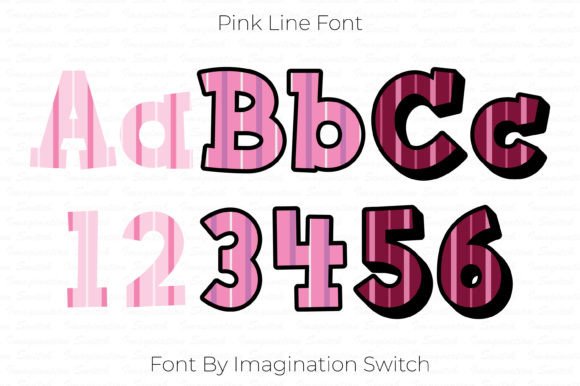
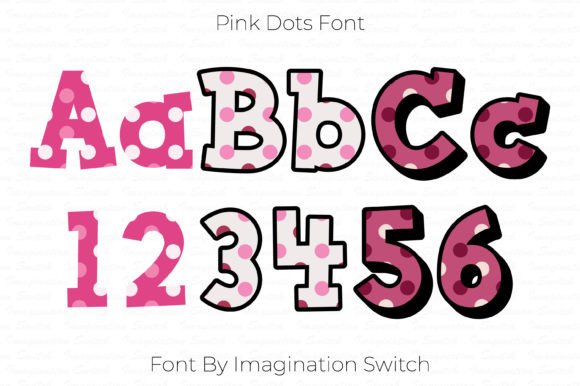
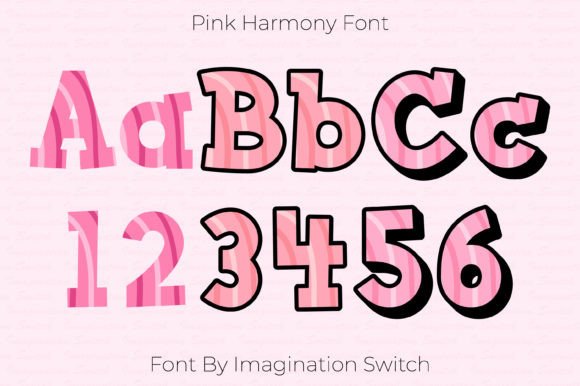
Pink Harmony is a premium font that utilizes a mesmerizing palette of intriguing colors to enhance its visual appeal. Unlike traditional typefaces where you apply a single color to a block of text, this font arrives with carefully curated color profiles built directly into the characters. It is a complete creative package, including uppercase, lowercase, and numbers, meticulously designed to provide flexibility. When you utilize this font, you are introducing a unique element of creativity that standard typography simply cannot match.
Defining the Visual Personality
What makes Pink Harmony stand out in a sea of design assets is its ability to balance whimsy with professionalism. It falls into the category of a creative font, but it avoids the chaotic look of many novelty typefaces. The color choices are not random; they are carefully selected to create a harmonious flow between characters. This creates a mesmerizing visual touch, making every word and number stand out as a piece of art.
Visually, the font possesses a modern typography aesthetic that feels fresh and current. It is not a traditional serif font with rigid edges, nor is it a standard sans serif font with geometric uniformity. Instead, it leans toward a stylized display font that commands attention. While it shares the fluidity of a script font, it maintains the legibility required for short, punchy statements. It captures the warmth of a handwritten font but with the precision of digital design.
Strategic Applications for Maximum Impact
Knowing when to use a specific typeface is just as important as the design itself. Pink Harmony is a versatile tool, but it shines brightest in specific scenarios where visual impact is the primary goal. As a display font, it is ideal for large-scale applications where text needs to grab immediate attention.
Branding and Logo Design
For entrepreneurs and small business owners, brand identity is everything. A logo needs to be memorable, and Pink Harmony offers an immediate solution for brands that want to appear approachable, creative, and energetic. If you are launching a boutique, a lifestyle blog, or a creative agency, using this font in your logo design can set you apart from competitors using generic templates. The built-in color variations add depth to the logo without requiring complex layering effects in your design software.
Digital Marketing and Social Media
In the fast-paced world of social media, stopping the scroll is the objective. Social media graphics featuring Pink Harmony instantly stand out in a feed dominated by standard text. Whether you are creating Instagram stories, Facebook headers, or Pinterest pins, the colorful nature of the font adds a festive and high-quality feel. It is particularly effective for promotional materials, such as sale announcements or event invitations, where a celebratory tone is required.
Web Design and Editorial Layouts
While the font is primarily a display face, it plays a crucial role in web design and editorial design. Use it for hero section headlines or pull quotes to break up long blocks of text. In packaging design, it can highlight product features or flavor names, adding a tactile, sensory quality to the visual presentation. The key is to use it as an accent—a typographic spice that enhances the main course of your content.
The Influence on Perception and Engagement
Typography is psychology. The fonts you choose influence how your audience perceives your message before they even read the words. Pink Harmony influences brand perception by signaling that a brand is modern, creative, and unafraid to break the mold.
There is a delicate balance in visual hierarchy. You need the most important information to be read first. By utilizing Pink Harmony for your H1 headers or key calls to action, you create a natural focal point. The eye is drawn to color and shape; this font provides both. This leads to higher audience engagement because the visual presentation feels fresh and worth investigating.
However, readability must always be the priority. Because Pink Harmony is a decorative, colored font, it functions best at larger sizes. At small sizes, the intricate color details can become muddied, and the legibility may suffer. This is why it is classified as a display typeface rather than a body text solution.
Practical Guidance for Designers
Integrating a specialized font like this into your workflow requires a bit of strategy. Here is how to get the most out of Pink Harmony:
- Font Pairing: Because Pink Harmony is visually busy, it pairs best with simple, neutral typefaces. A clean sans serif font or a minimal serif font for body text creates a perfect contrast. Avoid pairing it with other ornate scripts or handwritten fonts, as this will create visual clutter.
- Evaluating Project Fit: Ask yourself if the project requires "quiet professionalism" or "loud creativity." Pink Harmony is the latter. It is perfect for a music festival poster but less suitable for a corporate legal document.
- Testing and Licensing: Always test the font in your specific design environment. Check how the colors render on different screens, especially for web design. Ensure you have the appropriate commercial font license for your intended use, whether it is for client work or merchandise.
Ultimately, Pink Harmony is more than just a premium font