Unlocking Whimsy: The Allure of the Exotic Font
There is a specific moment in the design process where a project stops looking "finished" and starts looking "alive." Usually, that magic happens when you move away from the safety of Arial or Helvetica and introduce a typeface with a bit of soul. If you have ever found yourself scrolling through thousands of fonts looking for something that screams "fun" without looking unprofessional, you have likely encountered the Exotic typeface family. It sits in that sweet spot between a standard serif font and a wild script font, offering a rhythmic, flowing aesthetic that mimics the elegance of calligraphy but retains the structure of modern typography.
The Visual DNA of Exotic
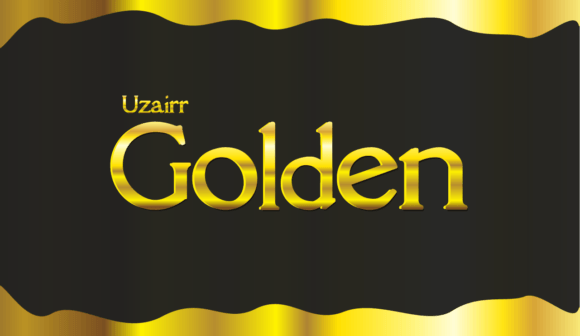
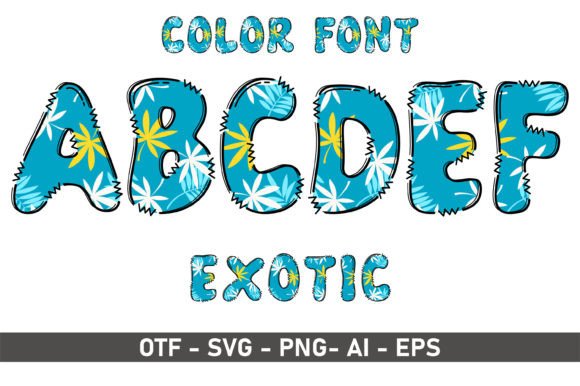
At its core, Exotic is a display font designed to be the center of attention. It is characterized by high-contrast thick and thin strokes, which give it a dynamic, energetic movement. Unlike a traditional handwritten font that might look messy or a rigid serif that feels too corporate, Exotic uses a concept known as "swashes" and ligatures to connect letters in surprising ways. This creates a sense of continuity and fluidity that guides the eye across the page. It is bold, it is curvaceous, and it possesses a personality that is undeniably artistic.
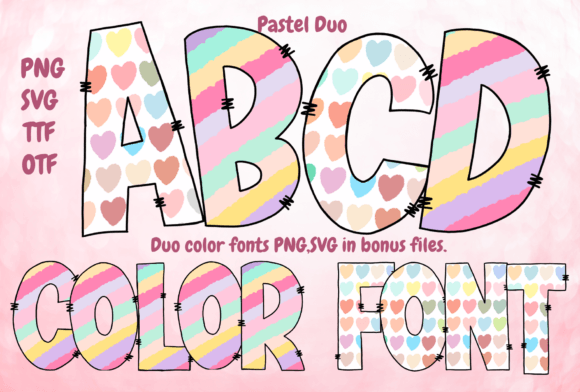
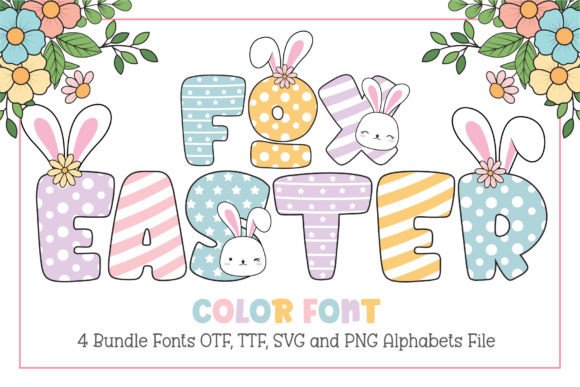
Because of these visual traits, Exotic works incredibly well in designs that aim to convey a playful or artistic feel. Think about the last time you looked at high-end packaging design for a boutique candle or a gourmet chocolate bar. You often see fonts like Exotic used there because they imply craftsmanship and care. However, this versatility extends to children’s books, posters, invitations, and greeting cards. For instance, in editorial design for a kids' magazine, a font like Exotic can be whimsical and colorful, creating an engaging reading experience for young audiences without sacrificing the visual sophistication that parents appreciate.
Strategic Application: Where Exotic Shines
As a designer or business owner, knowing where to deploy a premium font like this is just as important as the font itself. Using Exotic for a 500-word blog post about tax law would be a disaster for readability. However, using it for the headline of that same blog post? That could be a stroke of genius that captures attention immediately.
Here are the most effective environments for this creative font:
- Logo Design and Brand Identity: If your brand needs to convey luxury, romance, or creativity, Exotic is a strong contender. It works beautifully for fashion labels, high-end florists, and event planning agencies. It helps build a brand identity that feels bespoke rather than mass-produced.
- Invitations and Stationery: This is the font’s natural habitat. Whether it is a wedding invitation or a birthday party flyer, the flowing nature of the typeface mimics hand-lettering, adding a personal touch to print design.
- Social Media Graphics: In the fast-scrolling world of Instagram and TikTok, you have milliseconds to stop a thumb. Exotic, when used for short, punchy quotes or sale announcements, acts as a visual magnet. It stands out against the noise of standard sans serif font choices used by competitors.
- Packaging Design: As mentioned, the "hand-crafted" aesthetic of Exotic is perfect for artisanal goods. It suggests that a real human made the product, which increases perceived value.
The Psychology of Perception and Hierarchy
Typography is silent communication. When a potential customer sees the Exotic typeface, their brain processes the curves and the rhythm before they even read the word. This influences brand perception instantly. If you use Exotic for a law firm, you will confuse people—it signals playfulness, not litigation. But for a yoga studio or a bakery, it signals approachability and elegance.
Furthermore, Exotic is a master of visual hierarchy. Because it is so stylistic, you rarely need to use it for more than the main headline or the logo. By pairing it with a clean, geometric sans serif font for the body text, you create a clear distinction between the "personality" (the headline) and the "utility" (the information). This contrast is a fundamental principle of modern typography. It ensures your designs look professional and organized, rather than chaotic.
Practical Guide: Working with Exotic
If you are ready to integrate this typeface into your next project, you need to treat it as a tool, not just a decoration. Here is a practical checklist for evaluating and implementing Exotic effectively.
1. Test for Readability
While Exotic is legible at larger sizes, the high contrast of the strokes can cause "dazzling" effects if used in long paragraphs. Always test your text at the actual size it will be viewed. If it is for a billboard, it will be fine. If it is for a mobile screen caption, ensure the font size is large enough that the thin strokes don't disappear.
2. Mastering Font Pairing
The golden rule with ornate fonts is: do not pair them with other ornate fonts. Exotic demands a quiet partner. Look for a neutral serif font (like a Garamond or Georgia style) for a classic, elegant look, or a clean sans serif font (like a Montserrat or Open Sans style) for a modern, high-contrast aesthetic. This balance is crucial for maintaining professionalism.
3. Check the Glyphs and Swashes
A high-quality version of Exotic usually comes with "OpenType features." This means it has alternate characters—different versions of the letter 's' or 't' that you can swap in to make the word look better. Don't just type and go; explore the glyph panel in your design software (like Adobe Illustrator or Photoshop). You might find that swapping a capital letter for a swash version solves a spacing issue or adds the perfect flourish.
4. Licensing for Commercial Use
This is the step many hobbyists and small business owners overlook. If you are using Exotic for a client’s logo, a product you sell, or a website for your business, you almost certainly need a commercial font license. Free versions found on random sites are often for personal use only and can lead to legal headaches later. Investing in a legitimate license ensures you have the full set of design assets and the legal right to use them commercially.
Conclusion
Exotic is more than just a collection of curves; it is a strategic asset for anyone looking to inject personality into their visual communication. Whether you are a publisher creating a whimsical book cover, a marketer designing a high-converting landing page, or a crafter making personalized gifts, this typeface offers a bridge between the raw energy of handwriting and the polish of professional design. By respecting its visual weight, pairing it wisely, and using it to highlight your most important messages, you can leverage Exotic to make your brand unforgettable.