Modern Line: A Playful Font for Creative Projects
When you're building a brand or designing a project, the typeface you choose does more than just display words—it sets a mood. Modern Line is a prime example of a font with distinct personality. It’s a creative font designed to feel approachable, artistic, and energetic. If you've ever flipped through a charming children's book, admired an eye-catching poster, or received a whimsical invitation, you've likely encountered a style similar to what Modern Line offers. It’s a display font that doesn’t just sit on the page; it communicates a sense of fun and creativity before a single word is fully read.
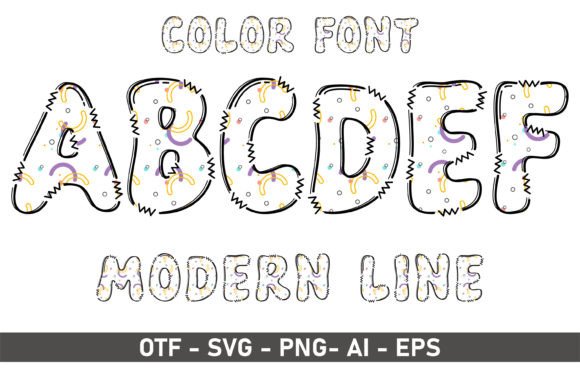
This typeface isn’t about quiet professionalism or stark minimalism. Instead, Modern Line leans into a style that feels handcrafted and organic. Its letterforms often feature irregular baselines, varied stroke weights, or playful curves that mimic natural handwriting. This gives it a human touch, making digital and printed materials feel more personal and less corporate. It’s the kind of font that can make a brand feel more relatable, a blog post more engaging, or a product package more inviting. For designers and entrepreneurs, it’s a tool to inject warmth and personality into visual communications.
Where Modern Line Truly Shines
Understanding a font's ideal environment is key to using it effectively. Modern Line excels in applications where grabbing attention and conveying a friendly, artistic vibe are the goals. Its strength lies in headlines, logos, and short bursts of text where its unique character can be fully appreciated without compromising readability.
- Children’s Books & Educational Materials: This is a natural home for Modern Line. Its playful nature captures the imagination of young readers, making the experience of reading more enjoyable and less intimidating. The letters feel like they could have been drawn just for them.
- Event Invitations & Greeting Cards: Whether it’s a birthday party, a baby shower, or a holiday card, Modern Line adds a layer of bespoke charm. It instantly communicates that the event is meant to be fun and celebratory.
- Poster & Flyer Design: For concerts, community events, workshops, or farmers' markets, this font helps posters stand out on a crowded bulletin board. It’s perfect for headlines that need to be both legible and bursting with personality.
- Branding for Creative Businesses: Entrepreneurs running bakeries, craft studios, boutique shops, or freelance creative services can use Modern Line in their logo design or brand identity to signal their artisanal, hands-on approach.
- Social Media Graphics: In a fast-scrolling environment, a font with character can stop the thumb. Modern Line works wonderfully for quote graphics, promotional announcements, and story highlights on platforms like Instagram and Pinterest.
- Packaging Design: For products targeting a family-friendly or craft-oriented market, such as specialty foods, handmade toys, or artisanal goods, this font can help the product feel more approachable and special.
The Practical Side: Choosing and Pairing Modern Line
Selecting a premium font like Modern Line is just the first step. Using it wisely is what separates good design from great design. Here’s some practical guidance for integrating it into your work.
Evaluate the Project Fit
Before you commit, ask yourself: Does the tone of my project match the font's personality? Modern Line is not the right choice for a law firm’s annual report or a serious financial whitepaper. However, it’s perfect for a yoga studio’s promotional materials, a children’s apparel brand, or a blogger’s recipe cards. The font should amplify your message, not contradict it.
Mastering Font Pairing
A display font like Modern Line is rarely used alone for body text. Its charm can become overwhelming in long paragraphs. The secret is to pair it with a more neutral, highly readable typeface.
- With a Sans Serif: Pairing Modern Line with a clean, geometric sans serif font (like Lato, Open Sans, or Montserrat) creates a beautiful contrast. The sans serif handles the body copy with clarity, while Modern Line delivers personality in the headlines. This is a classic, reliable combination.
- With a Serif: For a slightly more classic or literary feel, consider pairing it with a simple, modern serif font (like Lora or Merriweather). This can work well for editorial design in lifestyle magazines or book covers where you want a blend of whimsy and tradition.
The goal is balance. Let Modern Line be the star of the show, supported by a dependable co-star that ensures your overall design remains professional and legible.
Technical Considerations and Licensing
It’s crucial to understand the technical files you’re working with. The Modern Line font family often comes in different versions. The standard black version is typically compatible with a wide range of software, including Cricut Design Space and other cutting machines, making it a favorite among crafters and hobbyists for DIY projects.
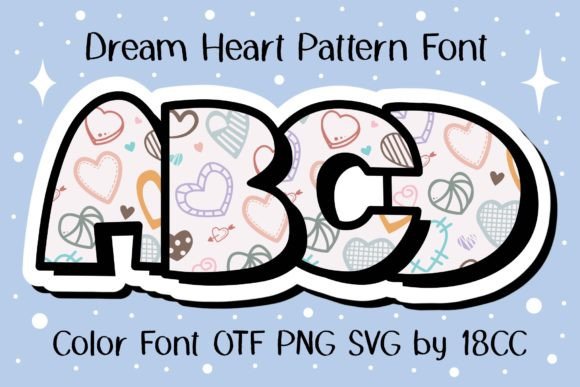
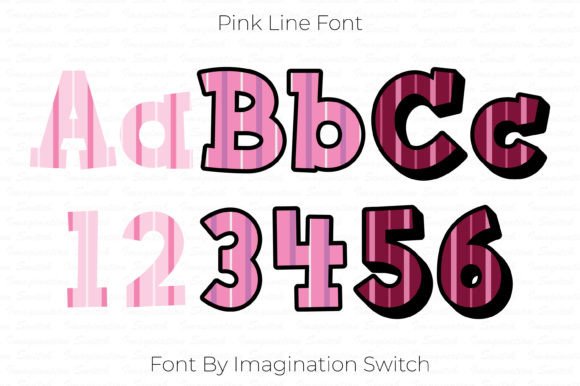
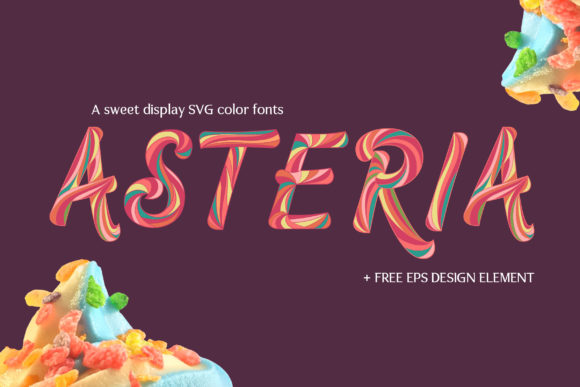
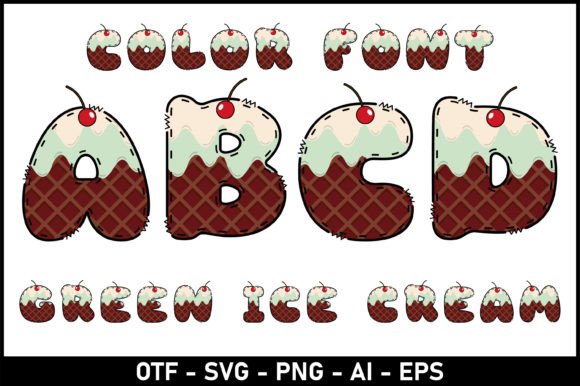
However, if you’re interested in the color version—a vibrant feature in some creative font packages—compatibility is more limited. Color fonts usually work in advanced design programs like Adobe Photoshop, Illustrator, Silhouette Studio, and Inkscape. They are generally not compatible with Cricut or basic word processors. Always check the font guide from the provider to understand the specific capabilities and commercial licensing terms. A reputable font seller will provide clear information on what’s included and where the font can be used, whether for personal or commercial projects.
Testing for Readability
Always test your chosen typeface in context. Type out the actual words you’ll be using. Check the letter spacing (tracking) and line spacing (leading). While Modern Line is designed for readability in display sizes, ensure your specific headline or logo text is clear at the intended size, both on screen and in print. A quick test print or a mockup on a mobile screen can reveal potential issues before you finalize a design.
In the landscape of modern typography, fonts like Modern Line serve a vital role. They are more than just design assets; they are storytellers. By choosing a typeface with a clear and appealing personality, you’re not just labeling things—you’re building an emotional connection with your audience. Whether you’re a designer crafting a brand identity, a marketer creating social media graphics, or a publisher designing a book cover, selecting the right typeface is a strategic decision that influences perception, engagement, and ultimately, success.