Love Yourself: A Font That Brings Heart to Your Designs
There's a certain magic in typefaces that feel handcrafted. They carry a human touch, an imperfection that digital precision often strips away. Among the many creative fonts available, Love Yourself stands out as a prime example of this charm. It's more than just a script font; it's a visual representation of warmth, spontaneity, and personal expression. For designers and creators looking to inject genuine emotion into their work, understanding this typeface is key.
The Visual Personality of Love Yourself
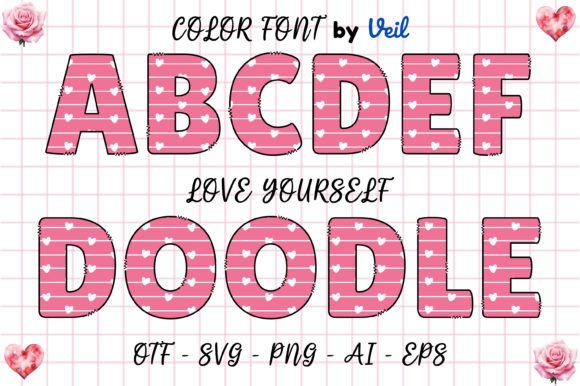
At its core, Love Yourself is a modern handwritten font. Its letterforms mimic the natural flow of a felt-tip marker or a gentle brush stroke. You'll notice slight variations in line weight and baseline, which is precisely what gives it its authentic, lived-in feel. Unlike rigid sans serif fonts, it doesn't sit perfectly straight; it dances a little. This organic quality makes it incredibly approachable. It doesn't shout; it converses. The overall appeal is one of relaxed confidence and creativity, making it a fantastic tool for projects that need to feel personal rather than corporate.
Where This Creative Font Truly Shines
The versatility of a font like Love Yourself is where its practical value lies. It's a specialist, not a generalist, meaning it excels in specific contexts where its personality can be fully appreciated.
In brand identity, it's a game-changer for small businesses, artisans, and lifestyle brands. Imagine it on the logo for a boutique bakery, a yoga studio, or a handmade jewelry shop. It instantly communicates a brand story of care, authenticity, and human connection. For packaging design, it can make a product feel more premium and thoughtful, turning a simple label into a piece of art.
For editorial design and publishing, it's perfect for chapter titles, pull quotes, or the cover of a memoir or poetry collection. It adds a layer of intimacy that standard serif or sans serif fonts can't achieve. In the digital realm, it works beautifully for social media graphics, Instagram story highlights, or as a stylized header on a web design for a creative portfolio. It grabs attention in a feed crowded with sterile, geometric type.
Beyond commercial use, it's a beloved design asset for personal projects. Crafters use it for wedding invitations, greeting cards, and scrapbooking. It brings a celebratory, heartfelt tone to any occasion.
Making It Work: Practical Guidance for Designers
Choosing a premium font is an investment, so ensuring it's the right fit is crucial. Here’s how to approach Love Yourself with a strategist's eye.
First, evaluate the project fit. Does the project call for a human, emotional, or artistic voice? If you're designing a legal document, an annual report, or a technical manual, this isn't your font. But if you're crafting a brand for a life coach, a children's book author, or a travel blogger, it's a strong contender.
Next, consider readability. As a script font, Love Yourself is best used for headlines, logos, and short bursts of text. Its charm can become a liability in long paragraphs, where it can cause eye strain. Always pair it with a highly legible serif font or sans serif font for body copy. A classic combination might be Love Yourself for a heading paired with a clean sans serif like Lato or Open Sans for the supporting text. This creates a strong visual hierarchy and ensures your message is both beautiful and clear.
Before purchasing, review the included styles. Does the font family offer different weights (light, regular, bold) or alternates? Many quality handwritten fonts include stylistic alternates for certain letters, allowing you to customize the look and avoid repetitive characters, which enhances the natural feel.
Finally, understand the commercial licensing. If you're using it for a client's logo, merchandise, or a website that generates revenue, you need the appropriate license. Reputable foundries make this clear. It's a non-negotiable step for professional work.
The Lasting Impact of Thoughtful Typography
Choosing a font like Love Yourself is a strategic decision that influences far more than aesthetics. It directly shapes brand perception. A brand using this typeface is perceived as friendly, creative, and approachable. It fosters audience engagement because it feels like a direct, personal communication rather than a corporate broadcast.
Consistency in using such a distinctive font builds recognition. When people see that flowing, handwritten style, they'll associate it with your brand's unique voice. It contributes to a cohesive and memorable brand identity that stands out in a crowded marketplace.
In the end, Love Yourself is more than just a set of glyphs. It's a tool for storytelling. It allows designers, entrepreneurs, and creators to move beyond mere information delivery and create work that resonates on an emotional level. By applying it thoughtfully—respecting its strengths and limitations—you can leverage its unique personality to build brands, craft publications, and design experiences that truly connect. That's the real power of modern typography