Doodle Easter: A Playful Typeface for Spring Projects
Understanding the Doodle Easter Vibe
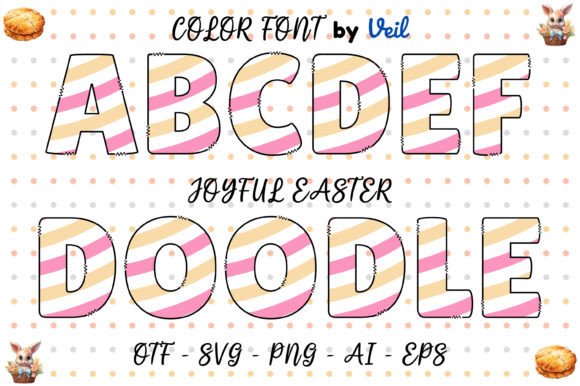
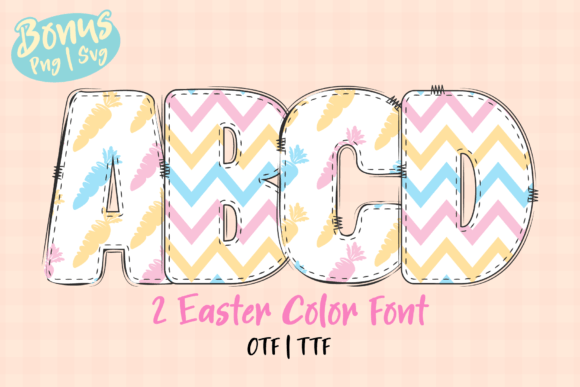
When you first encounter the Doodle Easter typeface, it’s hard not to smile. It captures that specific, carefree energy of a weekend morning spent creating art projects or hunting for hidden eggs in the grass. This isn't just another standard display font; it is a premium font designed to inject personality and whimsy into your work. As a handwritten font, it mimics the organic imperfections of a marker or crayon, giving your text a human touch that rigid, geometric typefaces simply cannot replicate. It serves as a creative font option for anyone looking to break away from the sterile look of standard corporate typography.
The visual style of Doodle Easter is defined by its rounded edges and slightly irregular baseline, which mimics natural handwriting. It feels approachable and friendly, making it an excellent choice for brand identity work that targets families, children, or lifestyle markets. Unlike a traditional sans serif font that prioritizes neutrality, this typeface leans into character. It projects warmth, nostalgia, and a sense of fun. If your project requires a tone that is serious or strictly formal, this likely isn't the right tool. However, if you need to convey joy, celebration, or a lighthearted atmosphere, Doodle Easter fits the bill perfectly.
Practical Applications for Designers and Entrepreneurs
For small business owners and entrepreneurs, the versatility of Doodle Easter extends far beyond holiday cards. In the realm of packaging design, this typeface shines. Imagine a bakery packaging their spring cookies or a florist wrapping a bouquet; using this font on the label instantly communicates a homemade, artisanal quality. It works beautifully on kraft paper textures or pastel backgrounds. Similarly, in editorial design, it can be used for pull quotes or subheadings in lifestyle magazines to break up the monotony of body text set in a standard serif font or sans serif font.
Content creators and marketers will find Doodle Easter incredibly useful for social media graphics. On platforms like Instagram or Pinterest, where visual clutter is high, a distinctive display font helps stop the scroll. You can use it for overlaying text on Reels, creating story highlight covers, or designing promotional sale banners. Because it is a creative font, it pairs best with simple backgrounds so the letterforms don't get lost. For web design, while it is too stylized for body copy, it works wonders for hero images or seasonal landing page headers where you want to make an immediate emotional impact.
Font Pairing and Readability Considerations
One of the most common pitfalls in modern typography is using a stylized font for everything. Doodle Easter is a display font, meaning it is designed for impact at larger sizes. It is not intended for long-form paragraphs. If you try to use it for a 12-point body text, readability will plummet, and the message will be lost. To maintain visual hierarchy, reserve Doodle Easter for headlines, titles, or single-word accents. For the supporting text, choose a neutral companion. A clean geometric sans serif font usually pairs best, providing a structured counterbalance to the loose, organic nature of the doodle style.
When evaluating project fit, consider your audience's expectations. If you are designing a logo for a law firm, this typeface is inappropriate. However, for logo design targeting the pet industry, toy stores, or educational apps, it is a strong contender. It aids in brand perception by making a company seem accessible and down-to-earth. Before finalizing your design, always test the font in context. Print it out, view it on mobile devices, and ensure the "doodle" elements don't blur or pixelate at smaller sizes. Since this is a premium font, you are paying for quality vector paths, but viewing distance still matters.
Licensing and Technical Details
Before purchasing Doodle Easter, it is crucial to understand the licensing to ensure it fits your workflow and commercial font usage needs. Most design assets come with specific terms regarding how many users can install the file or whether it can be used for merchandise. Always review the End User License Agreement (EULA). If you plan to use this for packaging design or t-shirts, verify that the license covers physical products for sale. This due diligence prevents legal headaches down the road and ensures you are respecting the type designer's intellectual property.
Technical compatibility is another key factor. While Doodle Easter is a robust typeface, you need to ensure it plays nice with your software stack. For instance, some complex script fonts or display fonts with specific OpenType features perform differently across various platforms. If you are a crafter using cutting machines, check the file formats included (OTF vs. TTF). Some intricate fonts with overlapping swashes may require welding in software like Silhouette or Cricut to cut correctly. For digital web design, you will likely need to convert the font to web-safe formats (WOFF/WOFF2) or use a hosting service that supports it, keeping load times in mind.
Maximizing Your Design Assets
Ultimately, Doodle Easter is a tool for expression. It is a creative font that allows you to step outside the box of rigid corporate guidelines and connect with your audience on a more human level. By pairing it effectively with a solid serif font or sans serif font, you create a dynamic tension that guides the viewer's eye. Whether you are a hobbyist making invitations or a professional marketer building a campaign, this typeface offers a specific flavor that generic system fonts cannot match. Use it to add that final sprinkle of personality that makes a design memorable.