Carrot Easter: Infusing Vibrant Color into Your Creative Projects
A Typeface Beyond Ordinary Typography
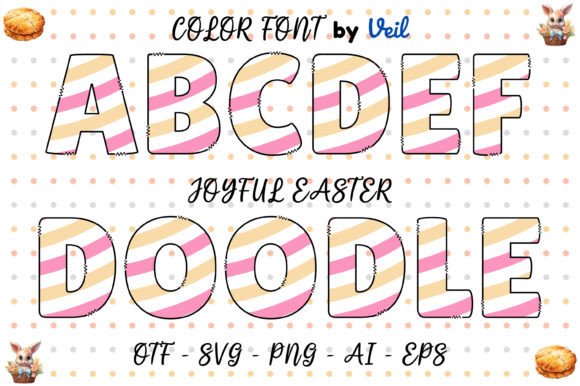
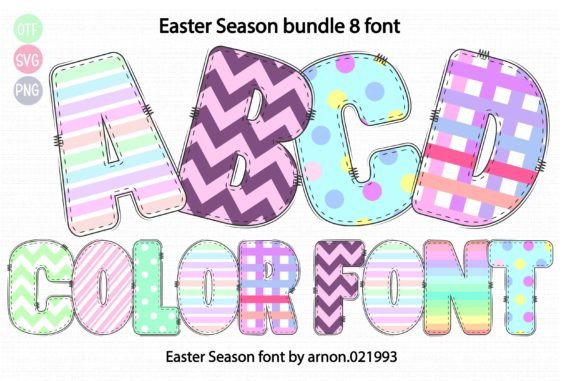
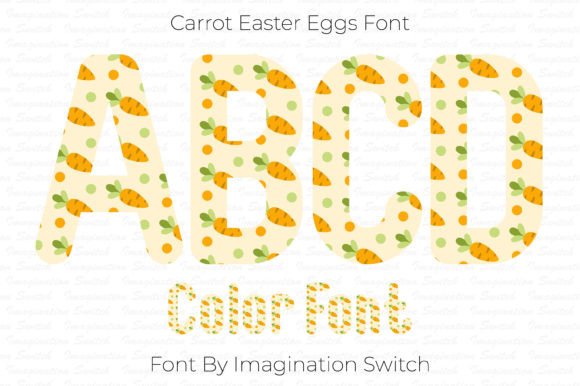
When you're working on a design that needs to feel fresh, playful, and unmistakably eye-catching, the typeface you choose carries enormous weight. Carrot Easter isn't just another display font sitting in your library waiting to be overlooked. It's a carefully crafted typographic creation where each character comes alive with its own thoughtfully selected color palette. Uppercase letters, lowercase forms, and numerals all feature distinct hues that work together harmoniously, giving your text an almost illustrated quality without sacrificing the structural integrity of a well-designed typeface.
What makes Carrot Easter stand apart from standard fonts is this built-in color treatment. Most typefaces rely on a single color applied uniformly across all characters. Here, the designer has already done the heavy lifting of choosing colors that complement each other, creating a visual rhythm as words form on screen or paper. The result feels organic and celebratory, much like the spring season that inspired its name. It's the kind of font that makes people pause mid-scroll and actually read what you've written.
Where Carrot Easter Truly Shines
Think about the projects where personality matters more than formality. A children's book cover, a bakery's seasonal menu, an Easter brunch invitation, a kids' clothing brand's social media campaign, or a craft blog's header graphic. These are spaces where Carrot Easter fits naturally and elevates the entire composition. The font carries an inherent warmth and approachability that works beautifully for brands wanting to communicate friendliness and creativity without appearing juvenile or unprofessional.
In packaging design, particularly for artisan food products, candy brands, or spring-themed merchandise, this typeface brings shelf appeal that competitors using standard sans serif font choices simply cannot match. For social media graphics, where grabbing attention within milliseconds determines whether someone stops scrolling, Carrot Easter delivers that instant visual hook. Bloggers covering lifestyle, parenting, crafting, or seasonal content will find it particularly useful for featured images and Pinterest pins where standing out matters enormously.
Editorial designers working on magazine layouts for holiday issues, special editions, or youth-oriented publications can use Carrot Easter for pull quotes, section headers, or feature titles. The font's colorful personality injects energy into otherwise text-heavy spreads. Similarly, web design applications for landing pages, promotional banners, or event announcements benefit from the font's ability to communicate excitement and celebration through its chromatic characters alone.
Understanding the Font's Influence on Your Design Outcomes
Typography shapes perception in ways most people never consciously notice. When your audience encounters Carrot Easter in a headline or logo, they immediately register something positive and engaging before reading a single word. This is how visual hierarchy works in practice. The colorful characters naturally draw the eye first, making them perfect for primary messaging while secondary information can use a complementary serif font or clean sans serif font to create contrast and readability.
For brand identity projects, using a creative font like Carrot Easter signals that a brand values originality and isn't afraid to break from convention. This works exceptionally well for businesses targeting families, children's markets, event planning, or any brand positioning itself as approachable and fun. The consistency of having a recognizable, colorful typeface across touchpoints builds brand recognition faster than generic alternatives because people remember what looks different.
However, practical considerations matter. Carrot Easter functions best as a display font rather than for body copy. Its colorful nature and decorative qualities make it ideal for headlines, logos, short phrases, and call-to-action text where impact takes priority over extended reading comfort. Pairing it with a straightforward modern typography choice for longer text blocks ensures your designs remain readable while preserving the personality Carrot Easter brings to prominent text elements.
Practical Guidance for Working with This Font
Before committing Carrot Easter to any project, test it in context. Place sample text against your intended backgrounds and evaluate how the pre-colored characters interact with your color scheme. Because each letter carries its own color, backgrounds that are too busy or similarly saturated can diminish the font's impact. Clean, solid backgrounds in neutral or complementary tones typically let the font's chromatic qualities breathe and perform at their best.
Consider your font pairing strategy carefully. A geometric sans serif font provides clean counterpoint without competing for attention. Something like a simple script font could work for secondary elements if your project calls for additional personality, though restraint is key since Carrot Easter already carries significant visual weight. Avoid pairing it with other heavily decorative or handwritten font options, as the combination tends to feel cluttered and confused rather than intentionally layered.
Check the licensing terms if you're planning commercial applications. Whether you're designing for client work, creating products for sale, or developing marketing materials for your own business, understanding the commercial font license protects you legally and ensures your design assets remain usable across all intended channels. Many designers overlook this step and encounter problems later when scaling a successful design across print runs, digital platforms, or merchandise lines.
For logo design applications, Carrot Easter can serve as inspiration or a starting point, but consider that logos often need to function in single-color contexts too. Discuss with your designer or think through how the colorful version translates to black and white, embossing, or screen printing situations where the chromatic effect disappears. The underlying letterforms should still communicate your brand's personality even without the color treatment.
Ultimately, Carrot Easter rewards designers and creators who understand its strengths and deploy it strategically rather than universally. Used thoughtfully, it transforms ordinary typography into a memorable visual experience that audiences connect with emotionally. It's a premium font asset that earns its place in your toolkit by solving specific creative challenges with genuine charm and professional craftsmanship.